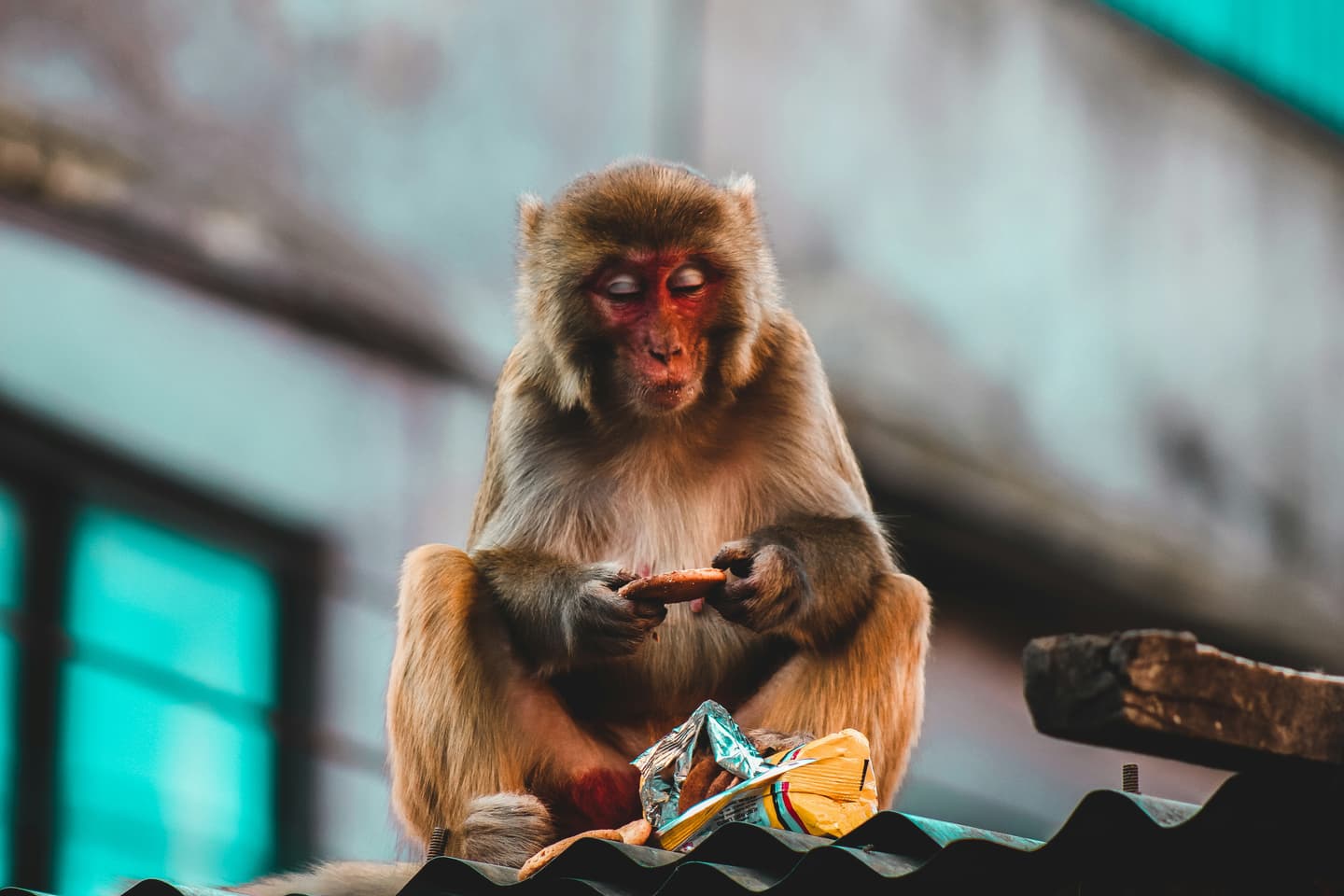
 City postcard
Kathmandu
Gateway to the Himalayas — where ancient temples, buzzing bazaars, and Everest trails all begin.
Gateway to the Himalayas — where ancient temples, buzzing bazaars, and Everest trails all begin.
Kathmandu is Nepal's cultural, spiritual, and historical capital, nestled in a valley at roughly 1,400 m elevation in the foothills of the Himalayas. The city is home to seven UNESCO World Heritage Sites — from the great Boudhanath Stupa to the medieval courtyards of Durbar Square — and serves as the essential launchpad for trekking, mountaineering, and cultural exploration across the country. Prayer flags, incense, sacred cows, and centuries-old pagodas coexist with a growing café scene, co-working spaces, and a welcoming expat community. Despite its chaos and pollution challenges, Kathmandu delivers an intensity of experience found almost nowhere else on earth.
City postcardGateway to the Himalayas — where ancient temples, buzzing bazaars, and Everest trails all begin.
 Top sight
A signature stop locals and returning travelers point to in Kathmandu.
 Top sight
A signature stop locals and returning travelers point to in Kathmandu.
 Top sight
A signature stop locals and returning travelers point to in Kathmandu.
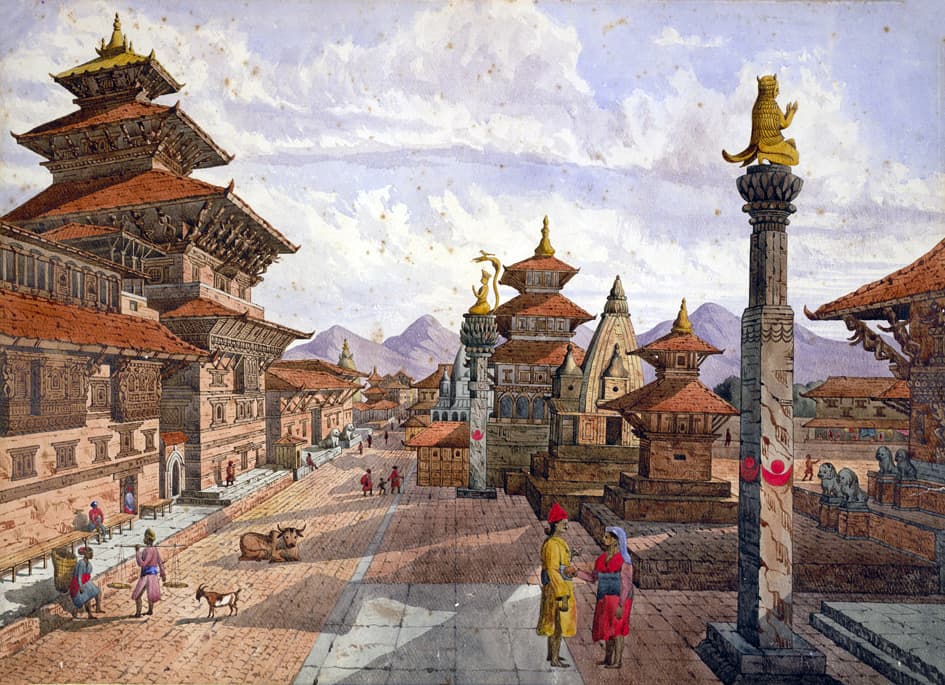 Top sight
A signature stop locals and returning travelers point to in Kathmandu.
A signature stop locals and returning travelers point to in Kathmandu.
A signature stop locals and returning travelers point to in Kathmandu.
Photo: Bijay Chaurasia · CC BY-SA 4.0
A signature stop locals and returning travelers point to in Kathmandu.
Photo: Nabin K. Sapkota · CC BY-SA 4.0
A signature stop locals and returning travelers point to in Kathmandu.
Photo: Artha at English Wikipedia · CC BY-SA 3.0
A signature stop locals and returning travelers point to in Kathmandu.
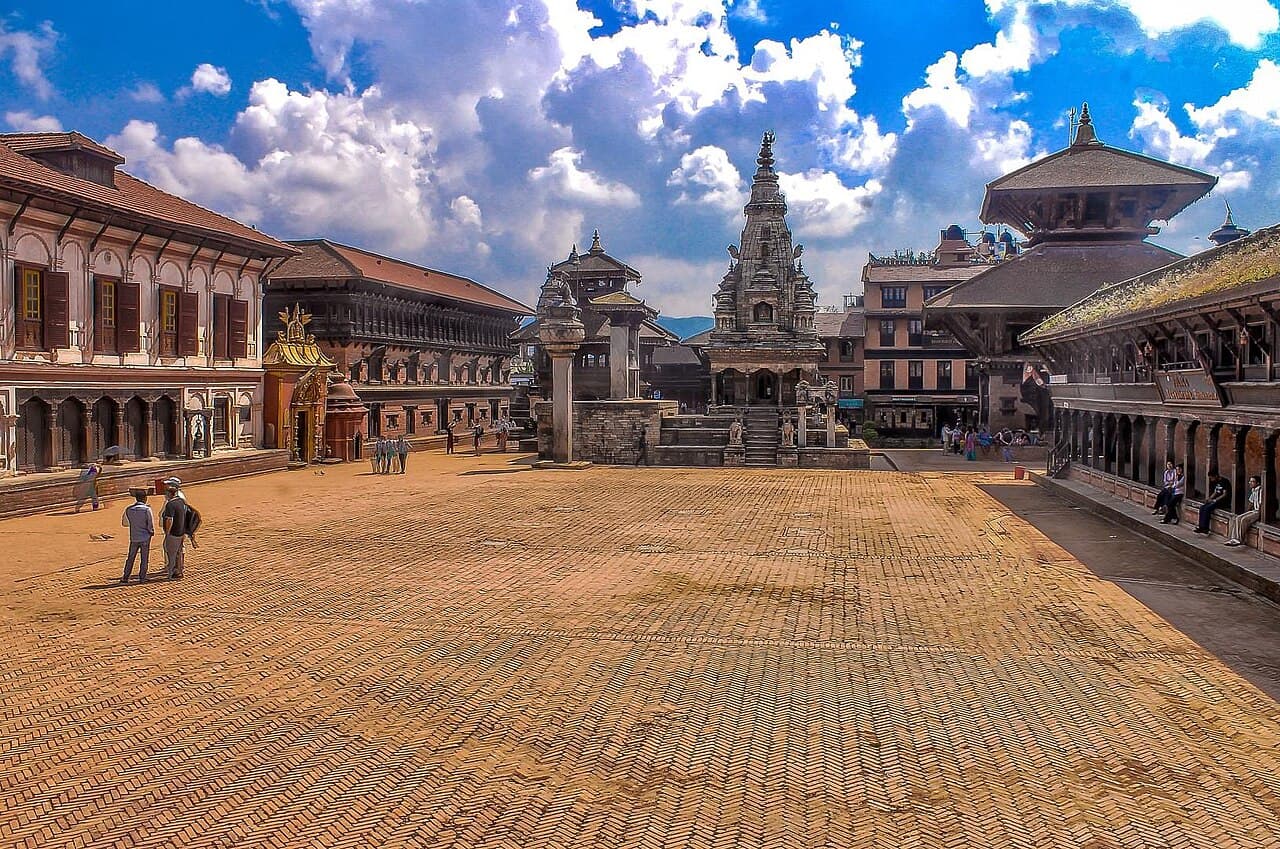
A signature stop locals and returning travelers point to in Kathmandu.
Photo: Bikram Pratap Singh · CC BY-SA 3.0
A signature stop locals and returning travelers point to in Kathmandu.
A pocket of Kathmandu with its own temperament — worth a deliberate detour when you're in the area.
A pocket of Kathmandu with its own temperament — worth a deliberate detour when you're in the area.
A pocket of Kathmandu with its own temperament — worth a deliberate detour when you're in the area.
A pocket of Kathmandu with its own temperament — worth a deliberate detour when you're in the area.
Wanderlust Pro
Pro members see insider tips for Kathmandu: a short list of restaurants, cafés and sights, picked by AI as local suggestions to double-check before you go.
The quick answers travelers want before they commit to flights, neighborhoods, and how long to stay.
All international flights arrive at Tribhuvan International Airport (KTM), located about 6 km east of Thamel. The journey to the city center takes 30–60 minutes depending on traffic. The fastest and most hassle-free option is a pre-paid airport taxi, purchased at the kiosk inside the arrivals hall; the standard daytime fare to central Kathmandu is around NPR 700 (~$5 USD), rising to roughly NPR 1,300 (~$9 USD) after 9:30 pm. Private sedan transfers booked in advance run approximately €19 (~$21 USD). Budget-conscious travelers can catch a local Sajha Yatayat bus for as little as NPR 20–25 (~$0.15–$0.20 USD), though the ride is slow and crowded. On arrival, SIM cards from NTC or NCELL are available inside the terminal near the money exchange; expect to pay around NPR 600 for a tourist data package. Nepal offers tourist visas on arrival for most nationalities. Note: as of early 2025, a new digital nomad visa (5-year, multiple-entry) was announced, requiring proof of at least $1,500/month income or $20,000 in savings.
Kathmandu's main transport options are taxis, ride-hailing apps (Pathao and InDrive are popular), auto-rickshaws, and local micro-buses. Metered taxis charge approximately NPR 30 (~$0.23 USD) per km, though agreeing on a fare before departure is standard practice. Local buses cover most of the valley for NPR 20–25 per short trip, making them the cheapest option but often overcrowded. For exploring the wider Kathmandu Valley — Patan, Bhaktapur, or Boudha — taxis or Pathao rides are the most practical. Renting a bicycle is feasible for flat neighborhoods like Thamel and Boudha. Walking is practical within Thamel and around the central heritage sites, though roads can be chaotic and dusty.
The two sweet spots for visiting Kathmandu are the post-monsoon autumn (October–December) and pre-monsoon spring (March–May). Autumn brings crystalline mountain views, cool temperatures, and the spectacular Dashain and Tihar festivals. Spring is prime trekking season with rhododendrons in bloom and Himalayan summits sharply visible. Winters (December–February) are cool and dry — perfect for sightseeing the UNESCO heritage sites with fewer crowds — and host vibrant festivals like Maha Shivaratri and Losar (Tibetan New Year). The monsoon (June–September) brings heavy rainfall that muddies trails and obscures peaks, though the valley turns lush green and accommodation prices dip. Shoulder months (February, September) offer a balance of lighter crowds and reasonable weather.
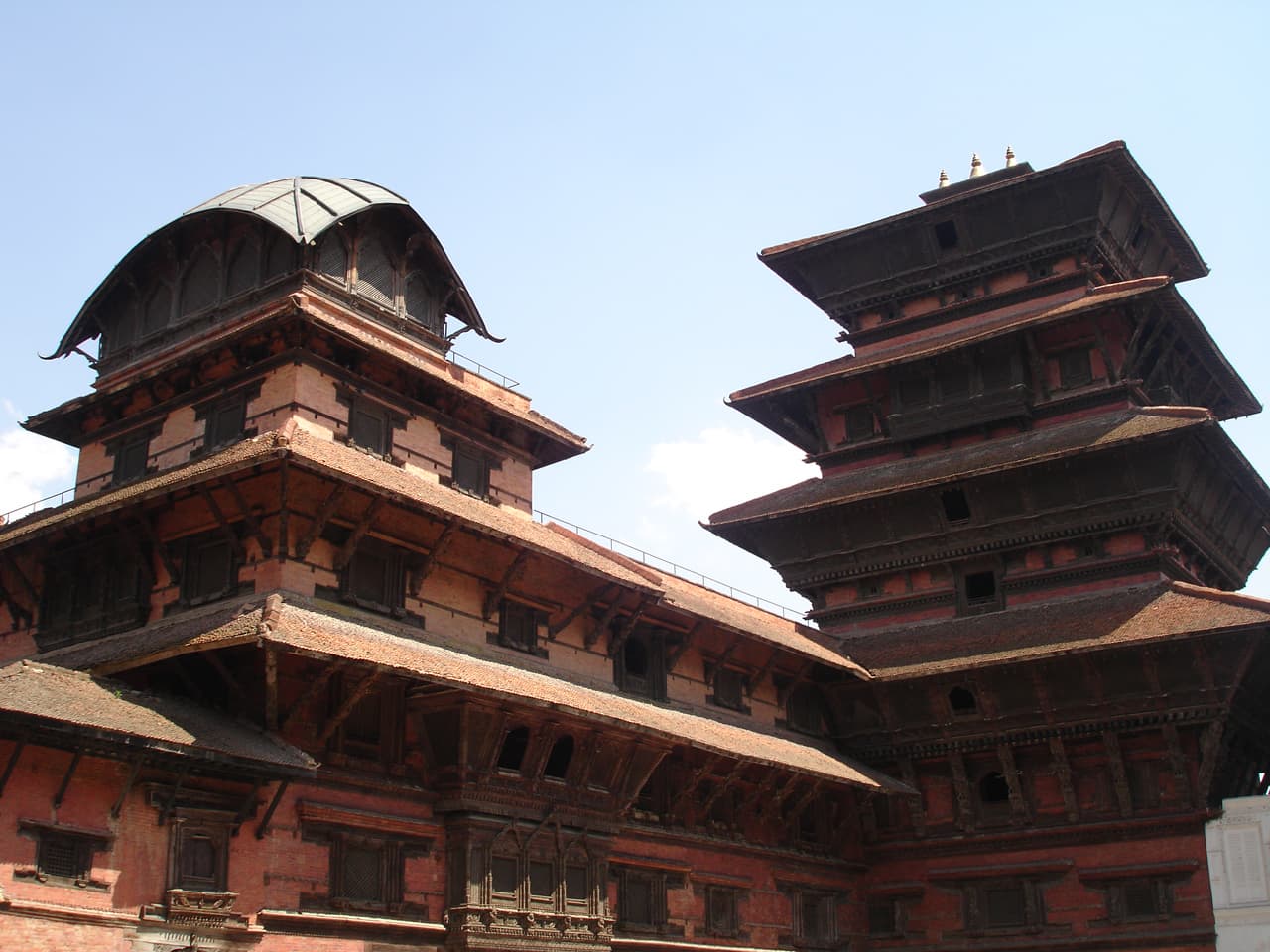
Begin at Kathmandu Durbar Square (Hanuman Dhoka) to explore the UNESCO-listed medieval palace complex, intricately carved temples, and the home of the Kumari (Living Goddess). Arrive early to beat the crowds.
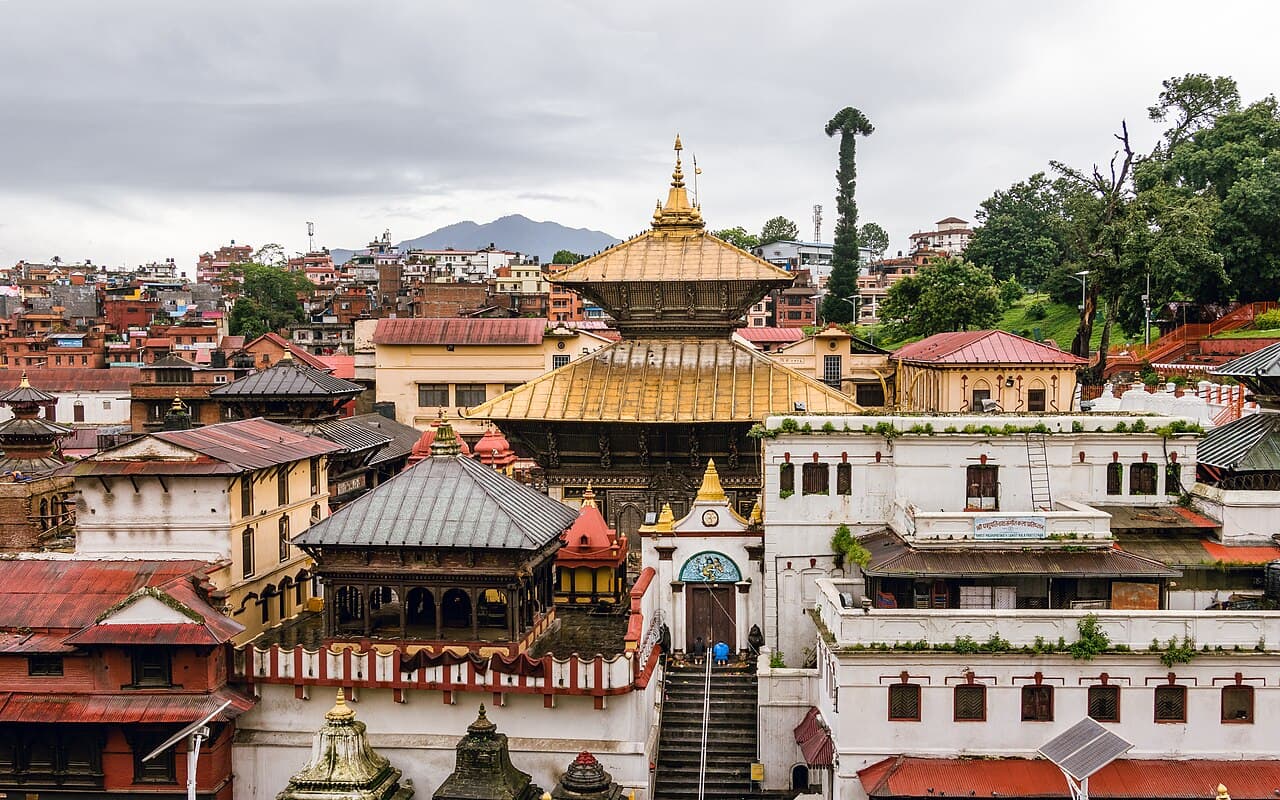
Head to Pashupatinath Temple on the banks of the Bagmati River — one of Hinduism's most sacred sites. Watch the open-air cremation ceremonies on the ghats for a profound glimpse into Nepalese spiritual life.
Stroll into Thamel's labyrinthine lanes for dinner. Try traditional Newari dishes like chataamari (rice crepes) or momos at one of the neighborhood's many restaurants. Browse handicraft shops and gear stores.
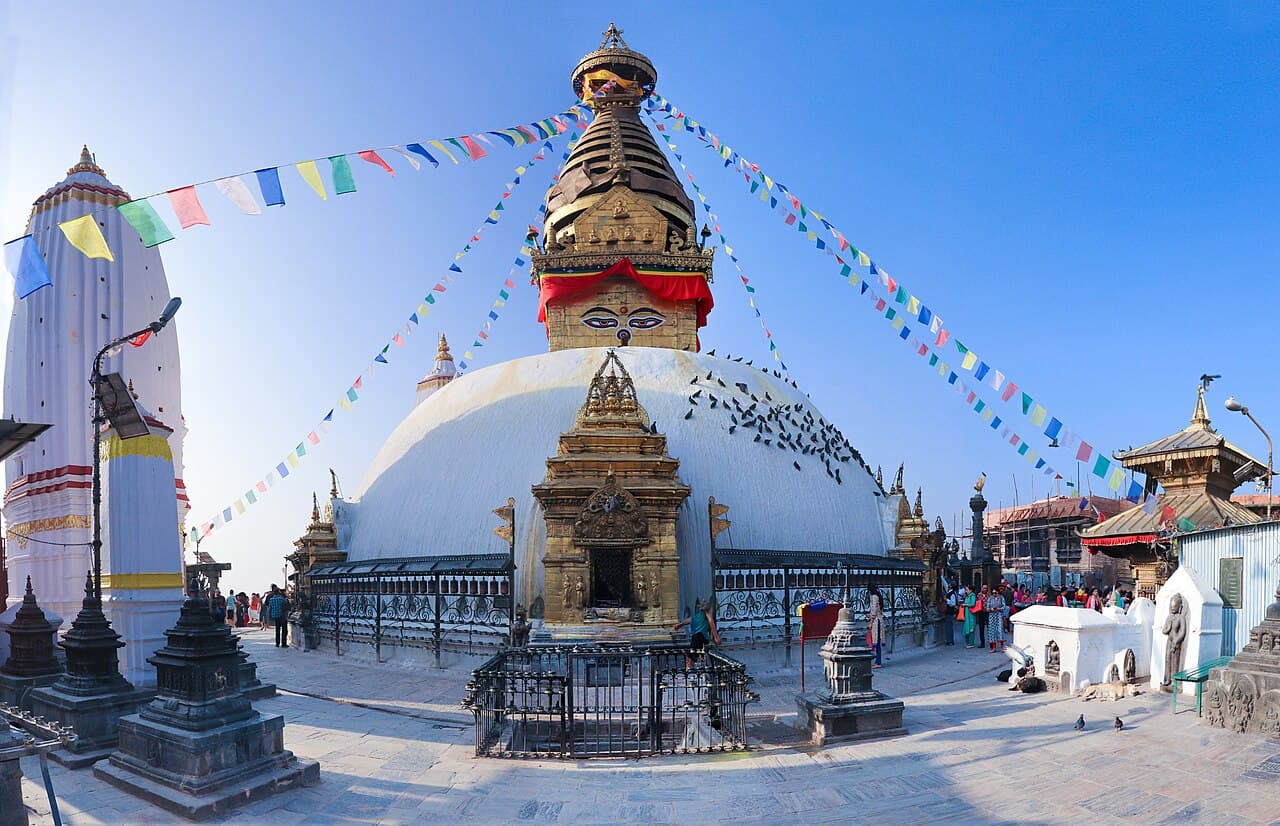
Visit Swayambhunath (Monkey Temple) at dawn — arrive by 7:30 am for the best light and fewest visitors. Climb the 365 steps for panoramic views of the Kathmandu Valley and spot the resident monkeys.
Head 7 km east to Boudhanath Stupa, one of the largest stupas in Asia and the holiest Tibetan Buddhist site outside Tibet. Circumambulate clockwise with pilgrims, explore the surrounding monastery colony, and relax at a rooftop café.
Linger at Boudha as dusk falls — monks begin their evening prayers and butter lamps illuminate the stupa in a magical glow. Dine at one of the Tibetan restaurants ringing the stupa.
Take a short taxi ride south to Patan (Lalitpur) and spend the morning at Patan Durbar Square, renowned for its exceptional Newari bronze-casting tradition and some of the finest medieval architecture in the valley.
Return to central Kathmandu and relax in the neoclassical Garden of Dreams (Swapna Bageecha) — a rare oasis of calm amid the city's noise. Explore the nearby Thamel area for last-minute shopping.
Farewell dinner at one of Kathmandu's rooftop restaurants — look for spots with views toward the mountains. End the evening with a stroll along Freak Street (Jochne Marg), the storied backpacker haunt from the 1960s.
Real coworking spaces, laptop-friendly cafés, and libraries mapped near the center of the city — the closest, best-rated desks first.
No coworking-ready spots surfaced for this city yet.
Pick a different category or check back once we’ve indexed more desks for this city.
Ask for cafés, quiet neighborhoods, date-night spots, or a first 48-hour plan.
Mention calls, Wi-Fi needs, or how much of the day has to stay laptop-friendly.
Get faster answers on where to stay, when to move neighborhoods, and what to skip.
There aren’t any, yet!
Block off the weeks you're free. Wanderlust turns this dossier — flights, lodging, neighborhoods, timing — into a single draft itinerary in about ninety seconds.
Wanderlust Pro
Insider tips for Kathmandu, unlimited AI-built itineraries, and travel companions you can invite to plan a trip together. From $5.00/month, billed annually.
Wanderlust Pro
Pro members see insider tips for Kathmandu: a short list of restaurants, cafés and sights, picked by AI as local suggestions to double-check before you go.