Top sight
Top sight
Hawaii's authentically local windward gem — volcanic wonders, rainforest waterfalls, and zero resort crowds.
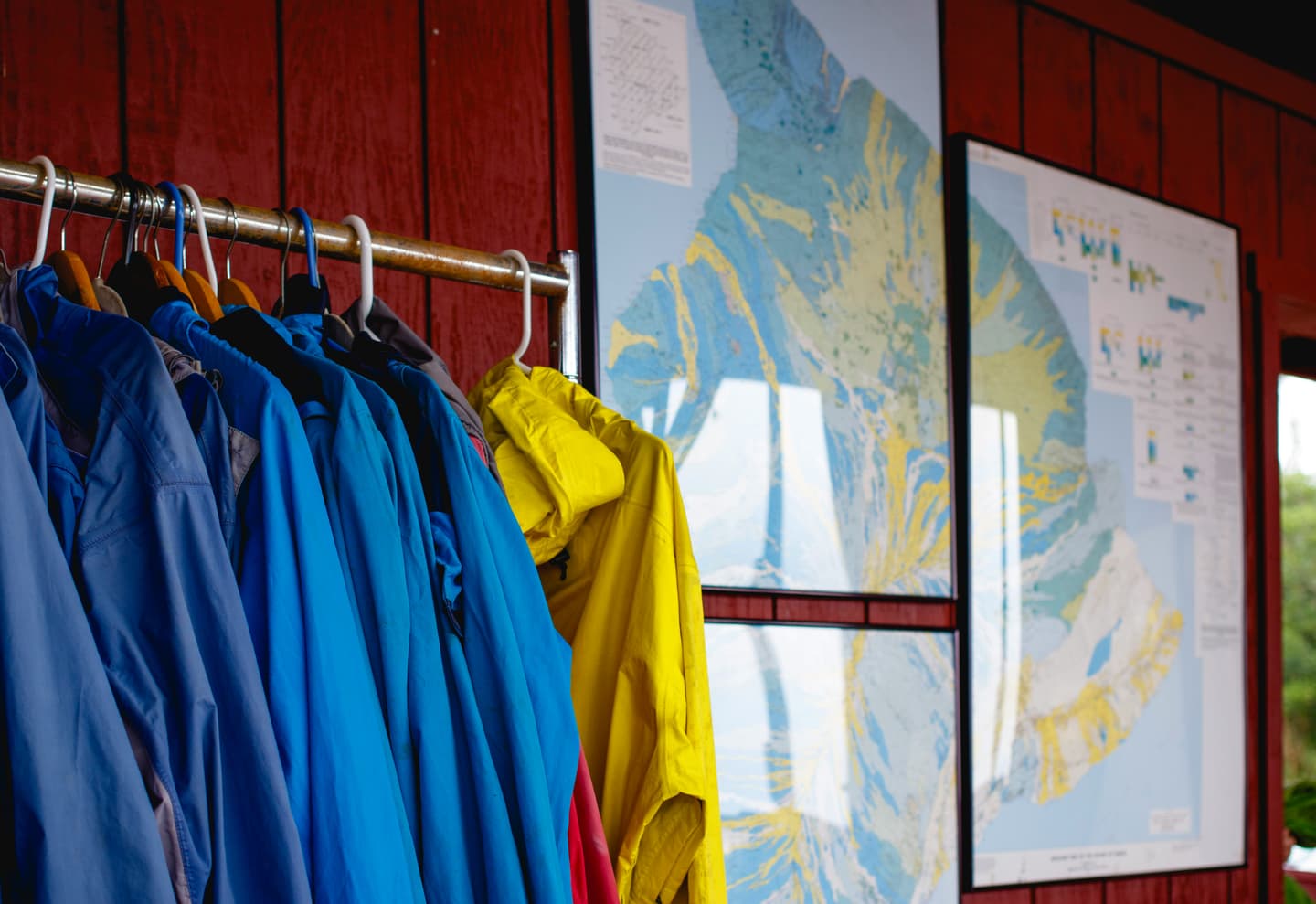
Hilo is the Big Island's largest city and the wettest in the United States, averaging over 126 inches of rain per year — a fact that sculpts its lush rainforests, dramatic waterfalls, and verdant botanical gardens. Sitting on the windward eastern shore, it serves as the premier gateway to Hawaii Volcanoes National Park and Mauna Kea, while its revitalized historic downtown offers farmers markets, galleries, and a deep multicultural heritage. Far from the resort corridors of Kona, Hilo rewards travelers who want an authentic, unhurried version of Hawaii at a comparatively lower price point.
More cities for these months: Where to go in April · Where to go in May · Where to go in September · Where to go in October
Insider tips · Wanderlust Pro
Practical tips on the sights and neighbourhoods in this Hiloguide — when to go, what most visitors miss. Written with AI about the guide's own places; double-check details before you go. Pro members see every tip.
The quick answers travelers want before they commit to flights, neighborhoods, and how long to stay.
The easiest arrival point is Hilo International Airport (ITO), just 10 minutes from downtown — far preferable to flying into Kona (KOA), which is a 2.5-hour drive away. ITO is served by domestic and inter-island carriers. From the airport, the Hele-On Bus Route 101 (Keaukaha) provides direct service into town; the bus stop sits between the airport restaurant and the helicopter service counter. Uber and Lyft both have designated pick-up zones at ITO. Seven rental car companies operate on-site at the airport — book well in advance during peak season, as Hilo has fewer locations than Kona and they sell out quickly. If arriving by car from the Kona side, take Highway 11 (about 2–2.5 hours of scenic driving); from the north via Waimea, Highway 19's Hāmākua Coast route takes approximately 1.5–2 hours.
A rental car is by far the most practical way to get around — Hawaii Volcanoes National Park is 40 minutes south, Akaka Falls is 45 minutes north, and most major attractions require driving. Book early as Hilo has fewer rental agencies than Kona. The county-operated Hele-On Bus covers the island and connects Hilo to Kona (Monday–Saturday); it's free as of the most recent fare information, and all buses are wheelchair accessible. Route 101 links the airport to the Moʻoheau Bus Terminal and key destinations including UH Hilo, Prince Kuhio Plaza, and Banyan Drive. The Hawaii Bus Plus app (unofficial but community-built) provides real-time route info and directions across multiple routes. Uber and Lyft operate throughout Hilo. A limited shared-ride taxi program covers rides within the Hilo urbanized area for as little as $2 per ride, though coupons must be ordered in advance and trips are capped at 9 miles — impractical for most sightseeing.
Hilo has a true tropical rainforest climate — with no genuine dry season and over 126 inches of rain annually, it holds the title of the wettest city in the United States. That said, timing still matters. The shoulder months of April–May and September–October hit the sweet spot: rainfall is comparatively lighter, hotel rates drop 30–50% versus peak summer, rental cars are available, and the crowds are thin. Note that Merrie Monarch Festival week in April (starting Easter Sunday) is a notable exception — hotels sell out weeks in advance at premium rates. The summer peak (July–August) and holiday window (mid-December through early January) bring higher prices and more visitors. For Hilo specifically, front-loading outdoor activities in the morning pays dividends year-round: rain typically arrives in fast afternoon bursts and clears quickly, leaving waterfalls and rainforest hikes at their most dramatic. As of April 2026, Kīlauea has been actively erupting in episodic bursts since December 2024, giving visitors excellent current chances of seeing live volcanic activity from public overlooks — always check the USGS Hawaiian Volcano Observatory (hvo.wr.usgs.gov) for the latest status.
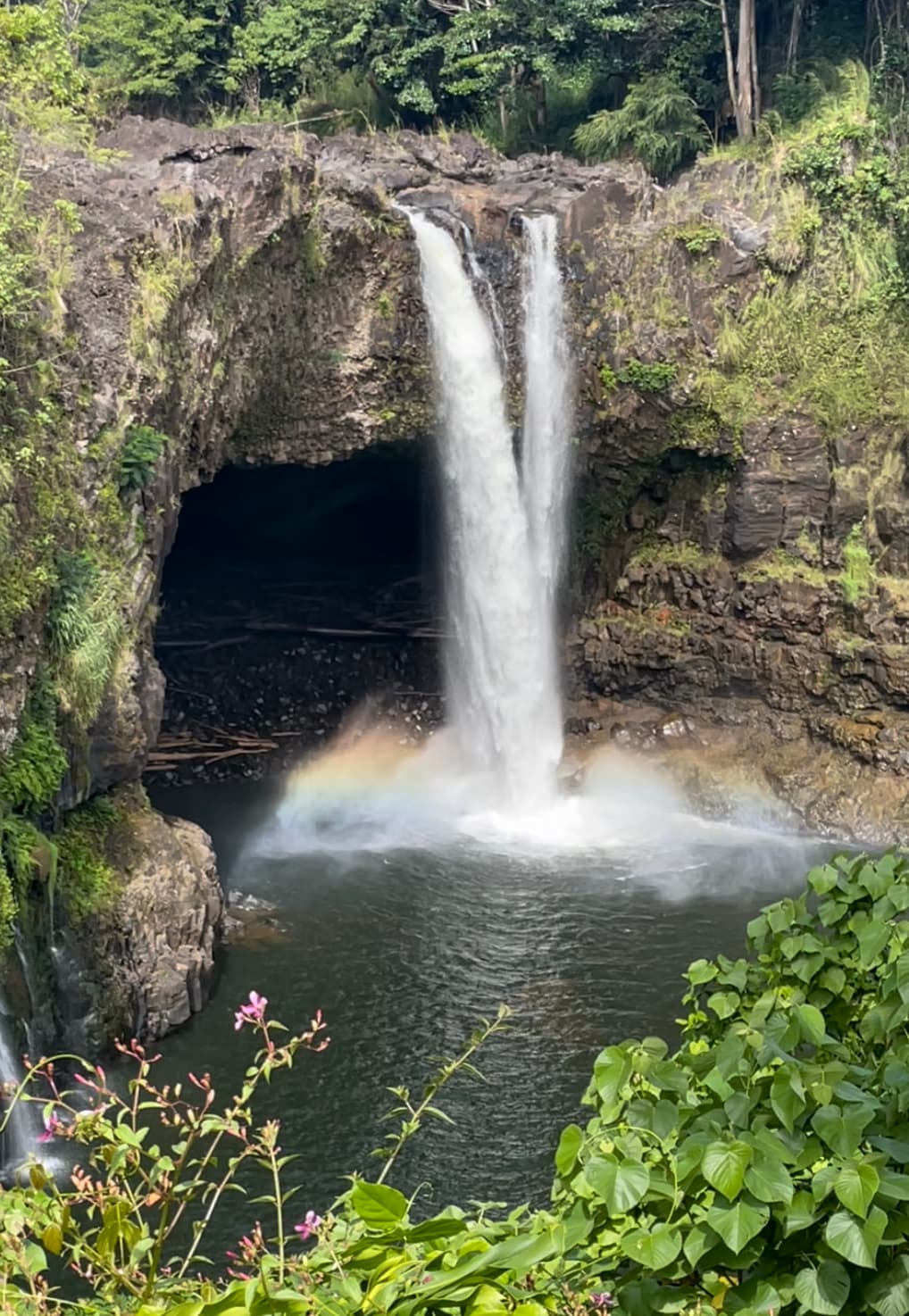
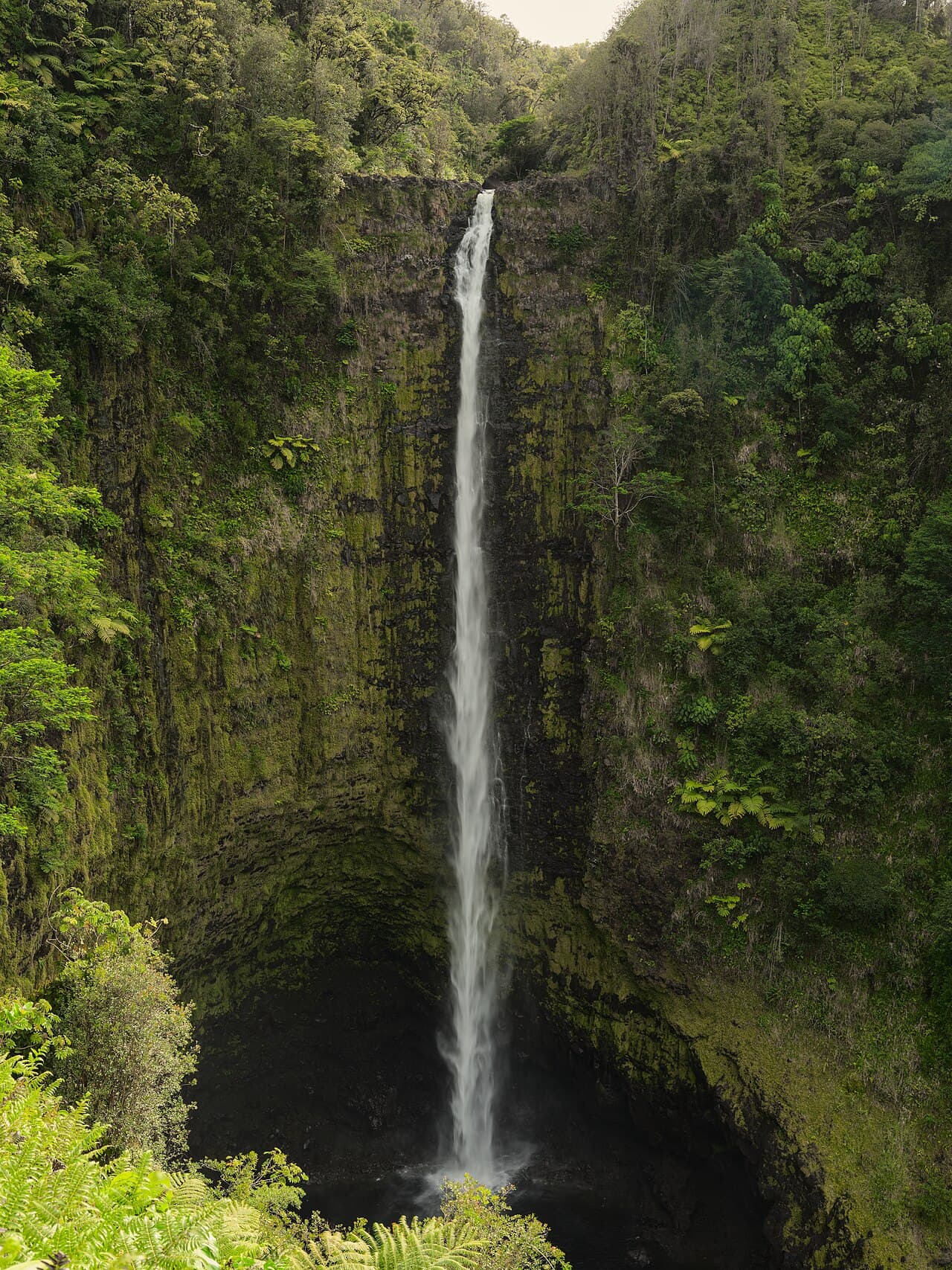
Start at Rainbow Falls (Waiānuenue) — just minutes from downtown — then drive the Hāmākua Coast scenic route to Akaka Falls State Park (15 miles north). The 442-foot falls drop into a jungle gorge; the paved 0.4-mile loop takes 30–45 minutes. Entry: $5/person + $10 parking.
Return to Downtown Hilo for the Hilo Farmers Market (over 200 vendors on peak days). Browse Kamehameha Avenue's historic storefronts, visit the Mokupāpapa Discovery Center (free marine life exhibits), and explore local shops like Sig Zane. Lunch at a plate-lunch spot along the waterfront.
Dinner in the revitalized downtown — try Moon & Turtle for creative island-inspired plates or Café Pesto for Italian-Hawaiian fusion. End the night with a stroll along Banyan Drive at Hilo Bay.
Head south on Highway 11 (40 minutes) and arrive at Hawaii Volcanoes National Park early to beat crowds. Walk the Kīlauea Iki Trail through a hardened lava lake, then drive Crater Rim Drive for overlook views. Check current eruption status at hvo.wr.usgs.gov before going.
Explore the Thurston Lava Tube, drive Chain of Craters Road to the coast, and look for fresh lava fields. Stop at the Jaggar Museum overlook area for panoramic caldera views. Pack lunch — dining options inside the park are limited.
Return to Hilo and unwind at Liliʻuokalani Gardens — 30 acres of Japanese-style fishponds, pagodas, and rock gardens on Hilo Bay. Dinner nearby at Miyo's for Japanese comfort food.
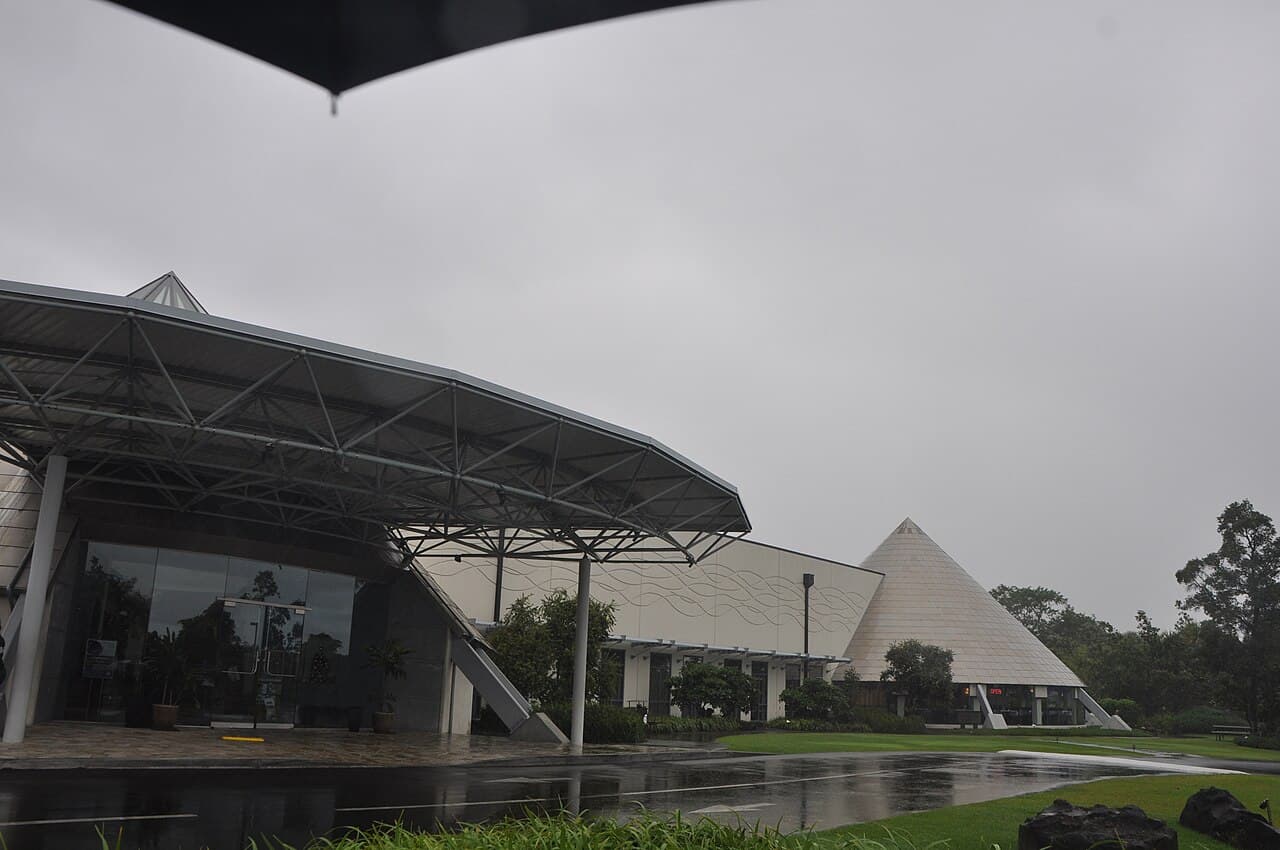
Visit the ʻImiloa Astronomy Center — a world-class science and cultural center combining hands-on exhibits with a full-dome planetarium connecting Hawaiian navigation traditions to modern astronomy. Then check out Panaʻewa Rainforest Zoo & Gardens (free), the only tropical rainforest zoo in the United States, home to over 80 species including Bengal tigers.
Drive up to the Mauna Kea Visitor Information Station (9,200 ft) for acclimatization and sweeping views. If you've booked a guided summit tour, proceed to the 13,796-ft summit for late-afternoon views. Dress in warm layers; altitude can cause symptoms — hydrate and eat lightly.
Descend for sunset stargazing from the summit or visitor station — some of the clearest night skies in the world. End your trip with dinner back in Hilo at Hidden Nene speakeasy-style cocktail bar.
Real coworking spaces, laptop-friendly cafés, and libraries mapped near the center of the city — the closest, best-rated desks first.
No coworking-ready spots surfaced for this city yet.
Pick a different category or check back once we’ve indexed more desks for this city.
Ask for cafés, quiet neighborhoods, date-night spots, or a first 48-hour plan.
Mention calls, Wi-Fi needs, or how much of the day has to stay laptop-friendly.
Get faster answers on where to stay, when to move neighborhoods, and what to skip.
Written by signed-in Wanderlust members. We don't check that a reviewer has visited.
No reviews of Hilo yet.
Tell the planner your dates, who's coming, your budget and pace, and it drafts a day-by-day itinerary you can edit.
Wanderlust Pro
Insider tips for Hilo, unlimited AI-built itineraries, and travel companions you can invite to plan a trip together. From $5.00/month, billed annually.
Insider tips · Wanderlust Pro
Practical tips on the sights and neighbourhoods in this Hiloguide — when to go, what most visitors miss. Written with AI about the guide's own places; double-check details before you go. Pro members see every tip.