Top sight
Top sight
Sweden's laid-back second city — great seafood, canal charm, and Scandinavia's best amusement park on its doorstep.

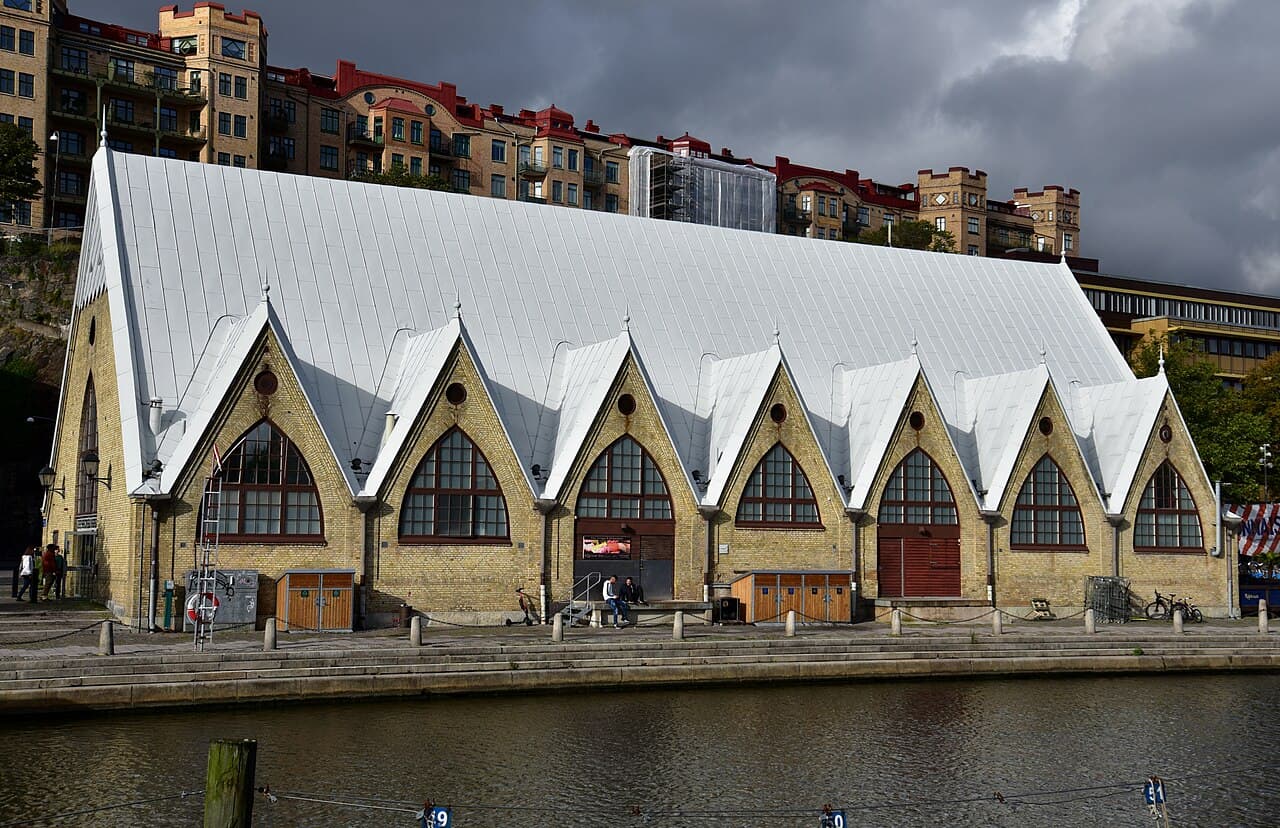
Gothenburg (Göteborg) sits on Sweden's west coast where the Göta River meets the sea, combining a proud maritime and industrial heritage with a creative, relaxed energy that Stockholm rarely matches. The compact, walkable centre is laced with canals and 19th-century avenues, while the historic neighbourhood of Haga and the cathedral-like Fish Church anchor a world-class seafood scene. Beyond the city limits, an archipelago of more than 7,600 islands is reachable by short ferry, and Scandinavia's largest amusement park, Liseberg, keeps all ages entertained. Founded as a Dutch trading colony in 1621, Gothenburg today remains the Nordic region's busiest port — and one of its most rewarding city-break destinations.
More cities for these months: Where to go in May · Where to go in June · Where to go in July · Where to go in August · Where to go in September
Insider tips · Wanderlust Pro
Practical tips on the sights and neighbourhoods in this Gothenburgguide — when to go, what most visitors miss. Written with AI about the guide's own places; double-check details before you go. Pro members see every tip.
The quick answers travelers want before they commit to flights, neighborhoods, and how long to stay.
Gothenburg Landvetter Airport (GOT) is the main international gateway, located about 25 km east of the city. The fastest and most popular transfer option is the Flygbussarna airport coach, which departs every 15–20 minutes from outside Arrivals, takes approximately 25–30 minutes to the city centre, and costs around 129 SEK (booked online). The final stop, Nils Ericson Bus Station, connects directly to Gothenburg Central Station, a short walk from the main tram hub at Brunnsparken. Taxis offer a door-to-door 'Fastpris' (fixed-price) option costing approximately 500–600 SEK. A slower but cheaper alternative is Västtrafik local bus route 612, which requires a transfer at Mölnlycke and accepts Västtrafik passes. By rail, Gothenburg Central Station is well connected to Stockholm (roughly 3 hrs by high-speed SJ train), Malmö, Copenhagen, and Oslo. Ferry services also connect the city to Frederikshavn in Denmark.
Gothenburg's iconic blue-and-white trams are the backbone of urban transport, operated by Västtrafik and covering the city centre, suburbs, and major attractions. A single ticket costs 37 SEK and is valid for 90 minutes across all modes — trams, buses, and even inner-archipelago ferries — allowing free transfers within that window. A 30-day Zone A pass costs approximately 830 SEK, ideal for longer stays. Buy tickets via the Västtrafik To Go app (iOS and Android), contactless bank card tap-on readers at tram platforms, or vending machines. The city's compact centre is also very walkable, with most major sights reachable on foot, and Styr & Ställ public bikes offer an affordable cycling alternative across more than 130 km of dedicated cycle paths. Taxis and ride-hailing apps (Bolt, Uber) are widely available but significantly pricier. The Gothenburg City Card (Tourist Pass) bundles unlimited Västtrafik travel with free entry to many attractions and is good value for short visits.
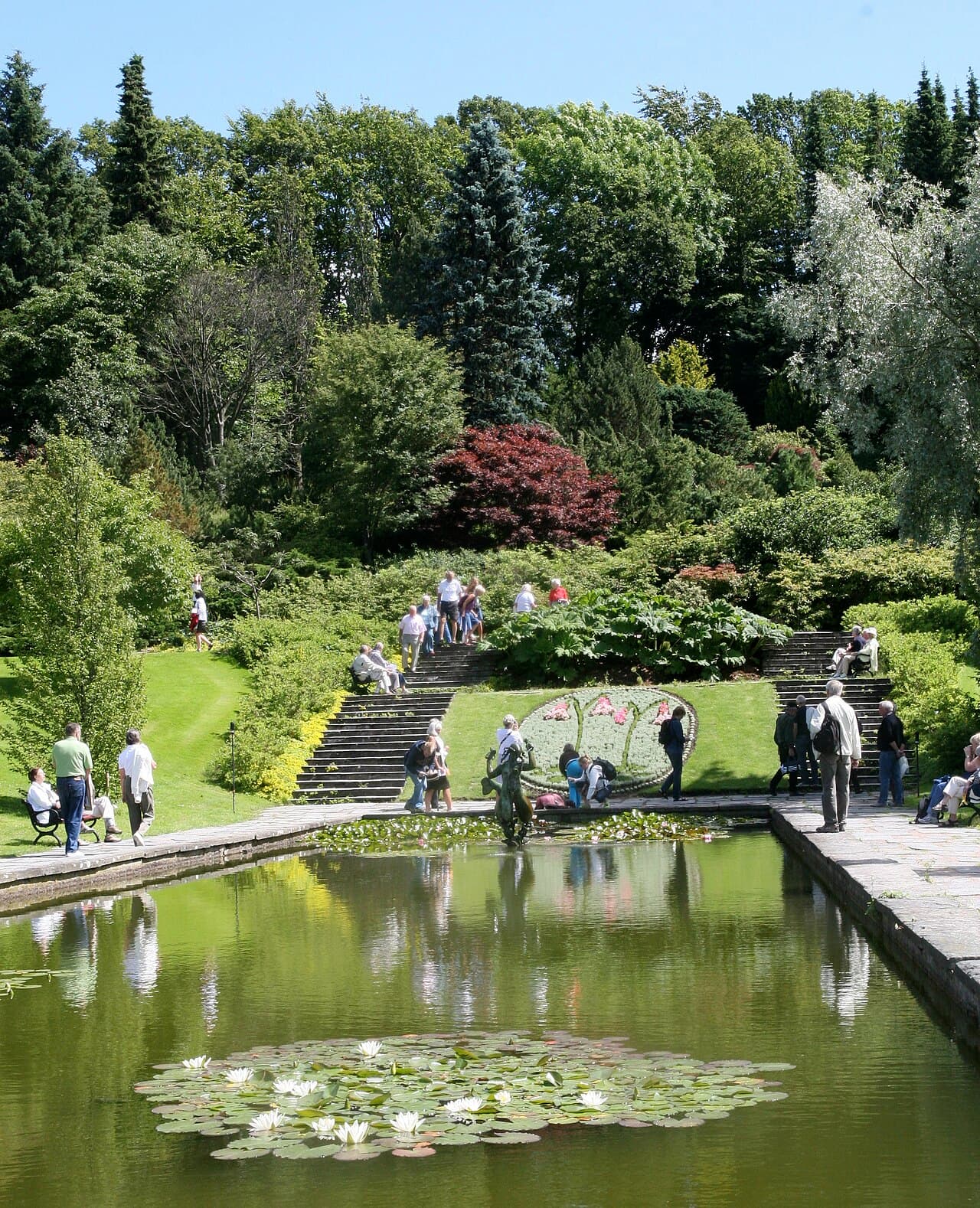
The sweet spot for most visitors is May through September. June, July, and August are the undisputed peak months — temperatures sit comfortably between 20–23 °C, daylight stretches up to 18 hours in June, and the archipelago swimming season is in full swing with sea temperatures reaching 18–19 °C by August. Midsummer festivities in late June are a particular highlight. July is the peak-crowd month, so book accommodation early. May is an excellent shoulder-season choice: days are lengthening fast (up to 17 hours of light by late May), the Botanical Garden and Slottsskogen park burst into bloom, and hotel rates are lower. September brings autumn colour and a relaxed, local atmosphere. Winter (November–March) is cold and dark, with only around 6 hours of daylight in December, but Gothenburg compensates with one of Sweden's best Christmas markets at Liseberg (opening mid-November) and a genuinely cosy café culture that makes the fika ritual feel essential rather than optional.
Start at Götaplatsen to admire the Poseidon fountain and browse the Gothenburg Museum of Art's Nordic collection, including works by Munch and Zorn. Stroll down Avenyn, the city's grand boulevard.
Head to Feskekörka (the Fish Church) for a classic shrimp sandwich or fresh shellfish platter, then wander the Inom Vallgraven canal district. Board a Paddan sightseeing boat for a 50-minute tour through the historic moat, passing under 20 low bridges.
Explore the lively restaurants and bars along Linnégatan in the Linnéstaden neighbourhood — ideal for craft beer and modern Swedish cuisine.
Spend the morning in Haga, Gothenburg's oldest and best-preserved neighbourhood. Browse the cobblestone lanes lined with wooden houses, boutique shops, and antique stores. Stop at Café Husaren for the famous giant cinnamon bun (Hagabullen).
Walk up to Skansen Kronan fortress (built 1687) for panoramic city views, then descend to Slottsskogen park — Gothenburg's largest — for a free visit to the Nordic wildlife enclosure, where seals and penguins are fed around midday.
Spend the evening at Liseberg amusement park, home to 40+ rides including the Helix roller coaster and AtmosFear free-fall tower. In summer, the park is open until late and fills with locals of all ages.
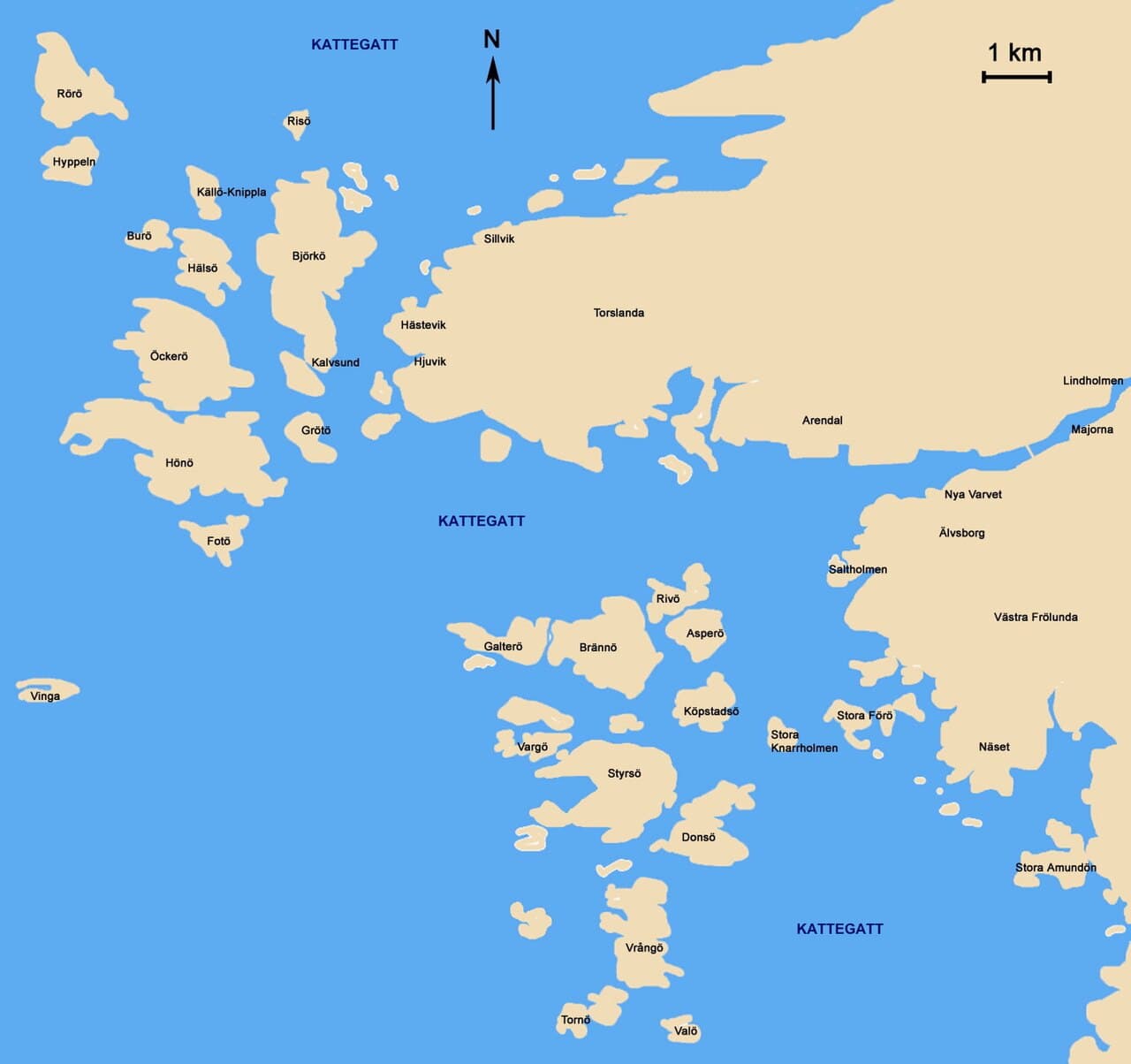
Take an early Västtrafik ferry from Saltholmen (reachable by tram from the city centre) out to one of the inhabited archipelago islands — Brännö, Styrsö, or Vrångö are popular choices among the 20 inhabited islands.
Explore the car-free island on foot or bicycle, swim from the rocky shores if visiting in summer, and enjoy a waterside lunch at a local café or bring a picnic.
Return to the city by early evening and wind down with dinner at one of Gothenburg's Michelin-starred or celebrated seafood restaurants — the city has one of Sweden's densest concentrations of culinary accolades.
Real coworking spaces, laptop-friendly cafés, and libraries mapped near the center of the city — the closest, best-rated desks first.
Convendum
Stampgatan 14, 411 11 Gothenburg, Sweden
Flowpass
Götgatan 15, 411 06 Gothenburg, Sweden
Arena Nordstan Coworking
Götgatan 15, 411 06 Gothenburg, Sweden
CIBT
Odinsgatan 13, 411 03 Gothenburg, Sweden
Espresso House Göteborg Central
Nils Ericsonsgatan 7, 411 03 Gothenburg, Sweden
Espresso House
Göteborg Central, 411 03 Gothenburg, Sweden
Cafe Bistro Niwa
Nils Ericsonsgatan 6, 411 03 Gothenburg, Sweden
Bistro Le Croissant
Nils Eriksons Platsen 5, 411 03 Gothenburg, Sweden
Stadsbiblioteket
Östra Hamngatan 32, 411 09 Gothenburg, Sweden
Education Library
Pedagogen Hus A, 411 18 Gothenburg, Sweden
Ask for cafés, quiet neighborhoods, date-night spots, or a first 48-hour plan.
Mention calls, Wi-Fi needs, or how much of the day has to stay laptop-friendly.
Get faster answers on where to stay, when to move neighborhoods, and what to skip.
Written by signed-in Wanderlust members. We don't check that a reviewer has visited.
No reviews of Gothenburg yet.
Tell the planner your dates, who's coming, your budget and pace, and it drafts a day-by-day itinerary you can edit.
Wanderlust Pro
Insider tips for Gothenburg, unlimited AI-built itineraries, and travel companions you can invite to plan a trip together. From $5.00/month, billed annually.
Insider tips · Wanderlust Pro
Practical tips on the sights and neighbourhoods in this Gothenburgguide — when to go, what most visitors miss. Written with AI about the guide's own places; double-check details before you go. Pro members see every tip.