Top sight
Top sight
Ancient myth meets modern Mediterranean cool — Athens rewards the curious at every turn.

Athens is one of the world's oldest continuously inhabited cities, where 3,400 years of layered history unfolds against a backdrop of whitewashed hillside neighborhoods, buzzing rooftop bars, and world-class museums. The Acropolis looms over every corner of the city, yet Athens reveals just as much in its café-lined side streets and vibrant local markets. A Mediterranean climate, affordable cost of living, and a booming digital-nomad scene make it equally compelling for short visits and longer stays. From island day-trips out of Piraeus to late-night dining in Monastiraki, Athens is a city that is impossible to exhaust.
More cities for these months: Where to go in April · Where to go in May · Where to go in June · Where to go in September · Where to go in October
Insider tips · Wanderlust Pro
Practical tips on the sights and neighbourhoods in this Athensguide — when to go, what most visitors miss. Written with AI about the guide's own places; double-check details before you go. Pro members see every tip.
The quick answers travelers want before they commit to flights, neighborhoods, and how long to stay.
Athens is served by Athens International Airport Eleftherios Venizelos (ATH), located about 35 km east of the city centre. The fastest daytime option is Metro Line 3 (Blue Line), which runs directly to Syntagma Square in approximately 40 minutes for €9 one-way (€16 return, valid 30 days). Trains run every 36 minutes from around 06:10 to 23:34. For budget arrivals or late-night landings, the X95 express bus connects the airport to Syntagma Square 24/7 for €5.50 — buses run every 20 minutes during the day and every 30 minutes at night. For visitors planning to use public transport across several days, the 3-Day Tourist Ticket (€20) covers one return airport transfer plus unlimited city transport for 72 hours and is available at airport ticket counters and at Syntagma, Monastiraki, and Omonia stations. Since January 2025, contactless bank cards and phones can be tapped directly at metro gates, charging the €9 airport fare automatically.
The Athens Metro is the fastest way to navigate the city, with 3 lines connecting key attractions including the Acropolis, Syntagma Square, and Piraeus port. The metro runs daily 05:00–midnight; Lines 2 and 3 extend to 02:00 on Fridays and operate all night on Saturdays (a service that launched permanently in September 2025). At peak hours, trains run every 5–6 minutes. A standard 90-minute integrated ticket costs €1.20 and covers unlimited transfers across metro, bus, tram, and trolleybus within that window. The Ath.ena Card (rechargeable) and the newer Tap2Ride contactless system let you pay with a credit card, Apple Pay, or Google Pay directly at readers — no paper ticket needed. Buses and trolleybuses extend coverage to suburbs and beaches (around 280 routes), though they can be slower in traffic. The coastal Tram (Lines T6 & T7) is ideal for reaching the Athenian Riviera. E-scooters (Lime & Tier) are available but must be parked in designated spots. Central Athens is highly walkable — it takes a brisk 30 minutes to cross from Kolonaki to Gazi on foot.
The sweet spot for visiting Athens is spring (April–June) and early autumn (September–October). Temperatures sit comfortably in the mid-70s to low 80s°F (23–28°C), rainfall is minimal, and the city's outdoor ruins and rooftop bars are at their most enjoyable. May and October stand out as the two single best months: May brings longer days, blooming gardens, and a summery energy without the punishing heat; October remains warm enough for sightseeing while crowds thin noticeably and hotel rates ease. July and August are the hottest months — average highs can reach 35°C (95°F) during heatwaves — making midday visits to the Acropolis and open-air sites genuinely draining. Those months work well for nightlife, beach days on the Riviera, and summer festivals, but outdoor sightseeing should be planned for early mornings. Winter (December–February) is mild by European standards (lows around 7°C / 45°F), sees the least crowds, and offers the best deals on flights and hotels — sometimes up to 50% off summer rates — making it a rewarding off-season option for museum lovers and budget travellers.
Start early (gates open at 08:00) at the Acropolis to beat the heat and tour groups — explore the Parthenon, Erechthion, and sweeping city panoramas. Allow 2 hours.
Descend to the world-class Acropolis Museum (entry €10) to see the Caryatid statues and the Parthenon frieze up close. Grab lunch in the Koukaki neighbourhood just south.
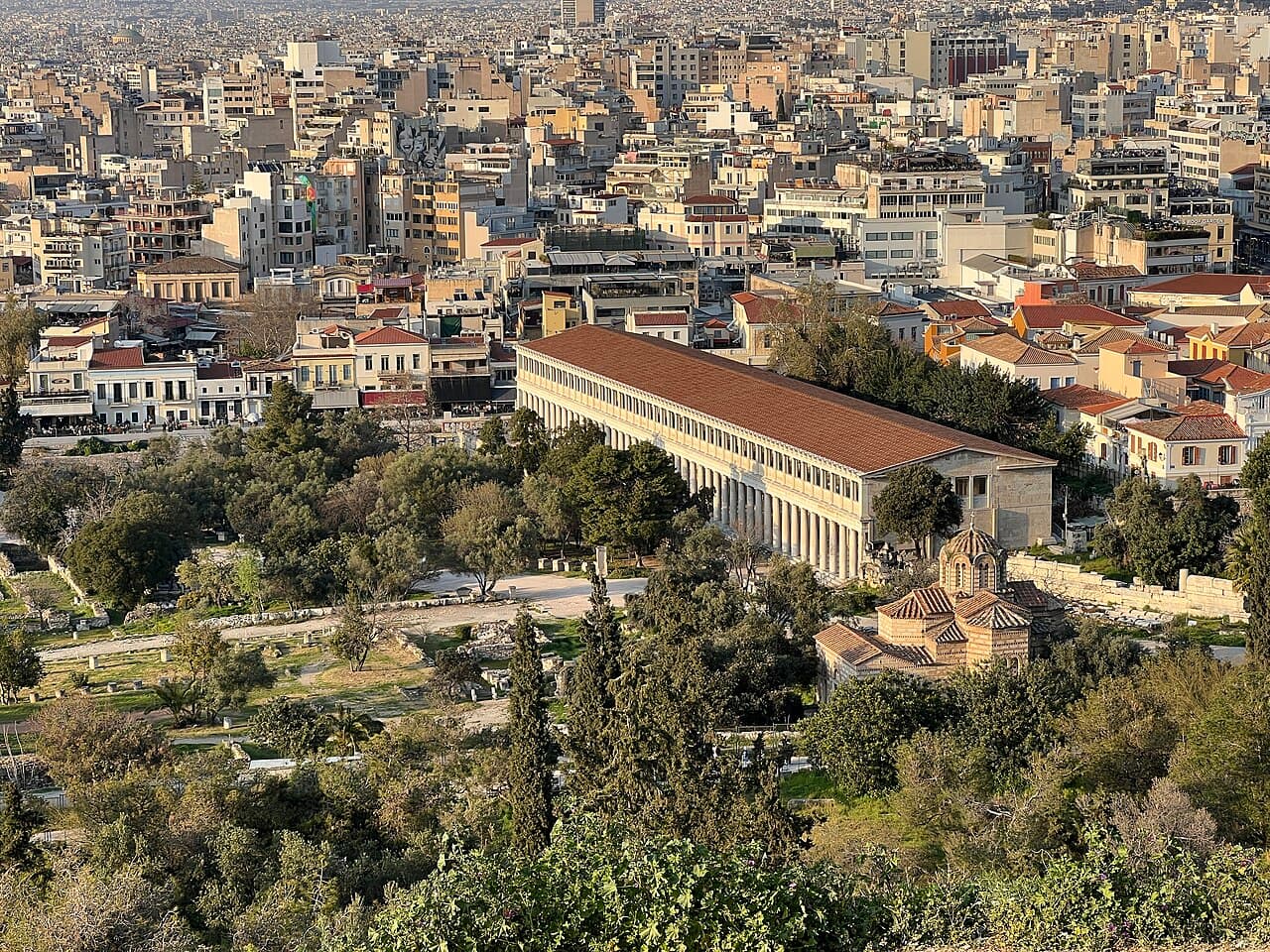
Wander through the ancient Agora and Thissio, then settle in for dinner and wine at a rooftop restaurant in Monastiraki with a floodlit view of the Parthenon.
Explore the cobblestone lanes of Plaka, Athens' oldest neighbourhood, stopping at Hadrian's Arch and the Temple of Olympian Zeus. Browse the Monastiraki flea market.
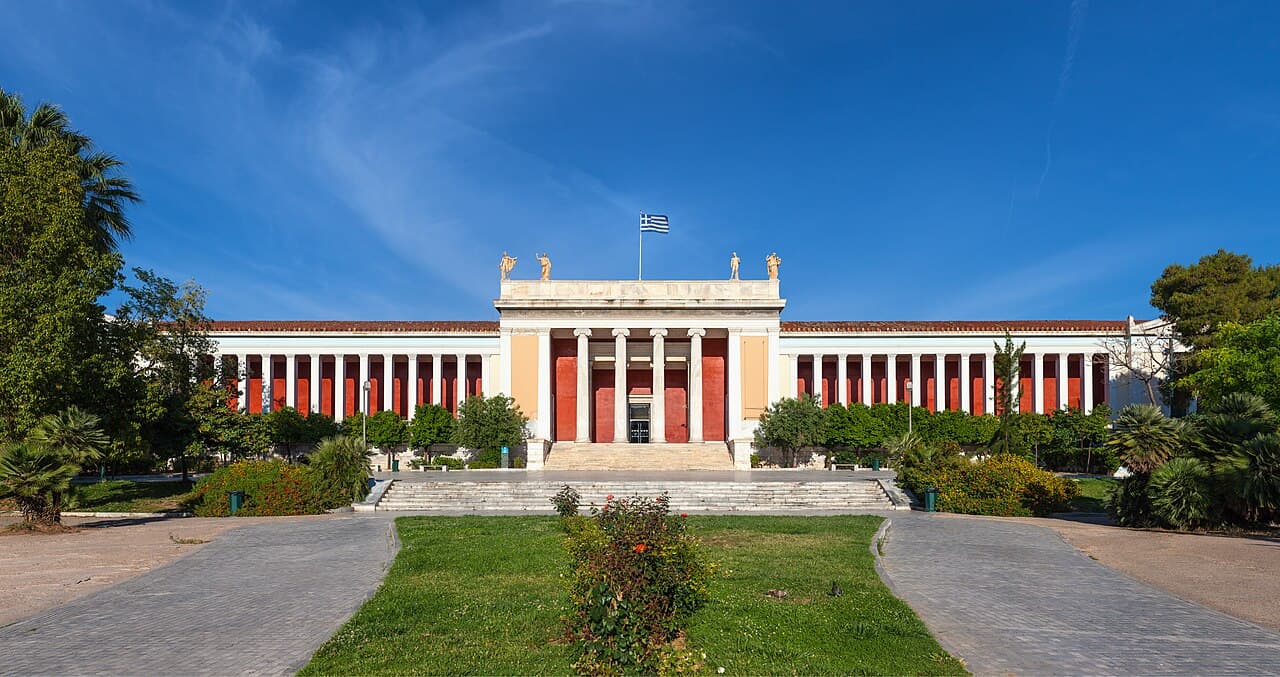
Head uphill to upscale Kolonaki for lunch, then visit the Benaki Museum or the National Archaeological Museum — home to Greece's finest ancient artefacts. Climb Lycabettus Hill for panoramic city views at sunset.
Dine in the lively Psirri neighbourhood, renowned for its tavernas, street art, and cocktail bars. The area stays buzzing well past midnight.
Take Metro Line 3 or the tram to the Athenian Riviera for a morning swim and coffee at a beach bar in Glyfada or Vouliagmeni.
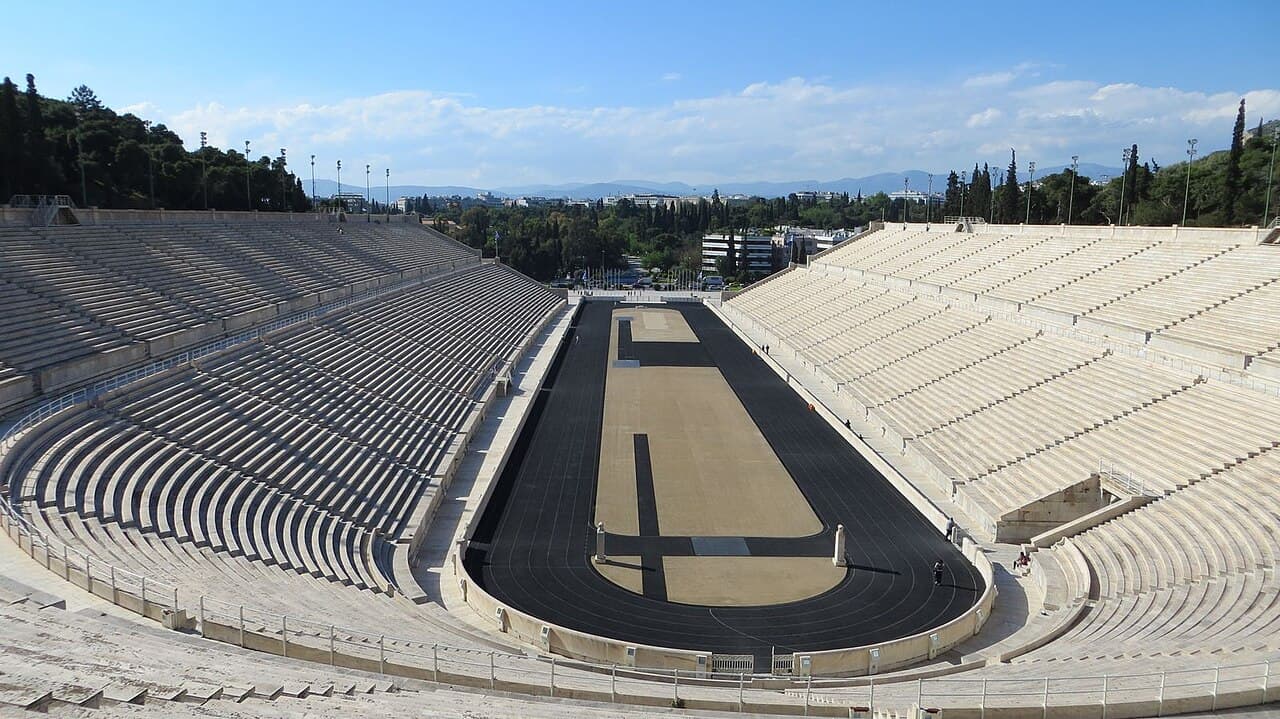
Return to the city and visit the Panathenaic Stadium — the only stadium in the world built entirely of marble and site of the first modern Olympics. Stroll through the peaceful National Garden nearby.
End your trip with a sunset walk along Apostolou Pavlou pedestrian street in Thissio, before a farewell dinner of mezze and ouzo in a traditional Athenian taverna.
Real coworking spaces, laptop-friendly cafés, and libraries mapped near the center of the city — the closest, best-rated desks first.
Ermis Hub Athens Work Space
El. Venizelou 56, 106 78 Athens, Greece
WHEN Hub
Sokratous 29, 105 52 Athens, Greece
PreLab Creative Space
Tzortz 11, 106 82 Athens, Greece
NXT - Private Offices
Evripidou 18, 105 60 Athens, Greece
Καφεκοπτεία Λουμίδη
Aiolou 106, 105 64 Athens, Greece
Coffee Three Αιόλου
Aiolou 105, 105 64 Athens, Greece
Coffee Berry Omonoia
Pl. Omonias 12, 105 64 Athens, Greece
Coffee Island
Themistokleous 2, 104 31 Athens, Greece
German Archaeological Institute at Athens
Fidiou 1, 106 78 Athens, Greece
Library of Gender and Equality Issues
Kratinou 9, 105 52 Athens, Greece
Ask for cafés, quiet neighborhoods, date-night spots, or a first 48-hour plan.
Mention calls, Wi-Fi needs, or how much of the day has to stay laptop-friendly.
Get faster answers on where to stay, when to move neighborhoods, and what to skip.
Written by signed-in Wanderlust members. We don't check that a reviewer has visited.
Tell the planner your dates, who's coming, your budget and pace, and it drafts a day-by-day itinerary you can edit.
Wanderlust Pro
Insider tips for Athens, unlimited AI-built itineraries, and travel companions you can invite to plan a trip together. From $5.00/month, billed annually.
Insider tips · Wanderlust Pro
Practical tips on the sights and neighbourhoods in this Athensguide — when to go, what most visitors miss. Written with AI about the guide's own places; double-check details before you go. Pro members see every tip.