City guide · Updated June 2026
EuropeTurkey39.9° · 32.9°
Ankara,Turkey.
Turkey's underrated capital where millennia of history meet a vibrant, authentic modern city.
Ankara · TR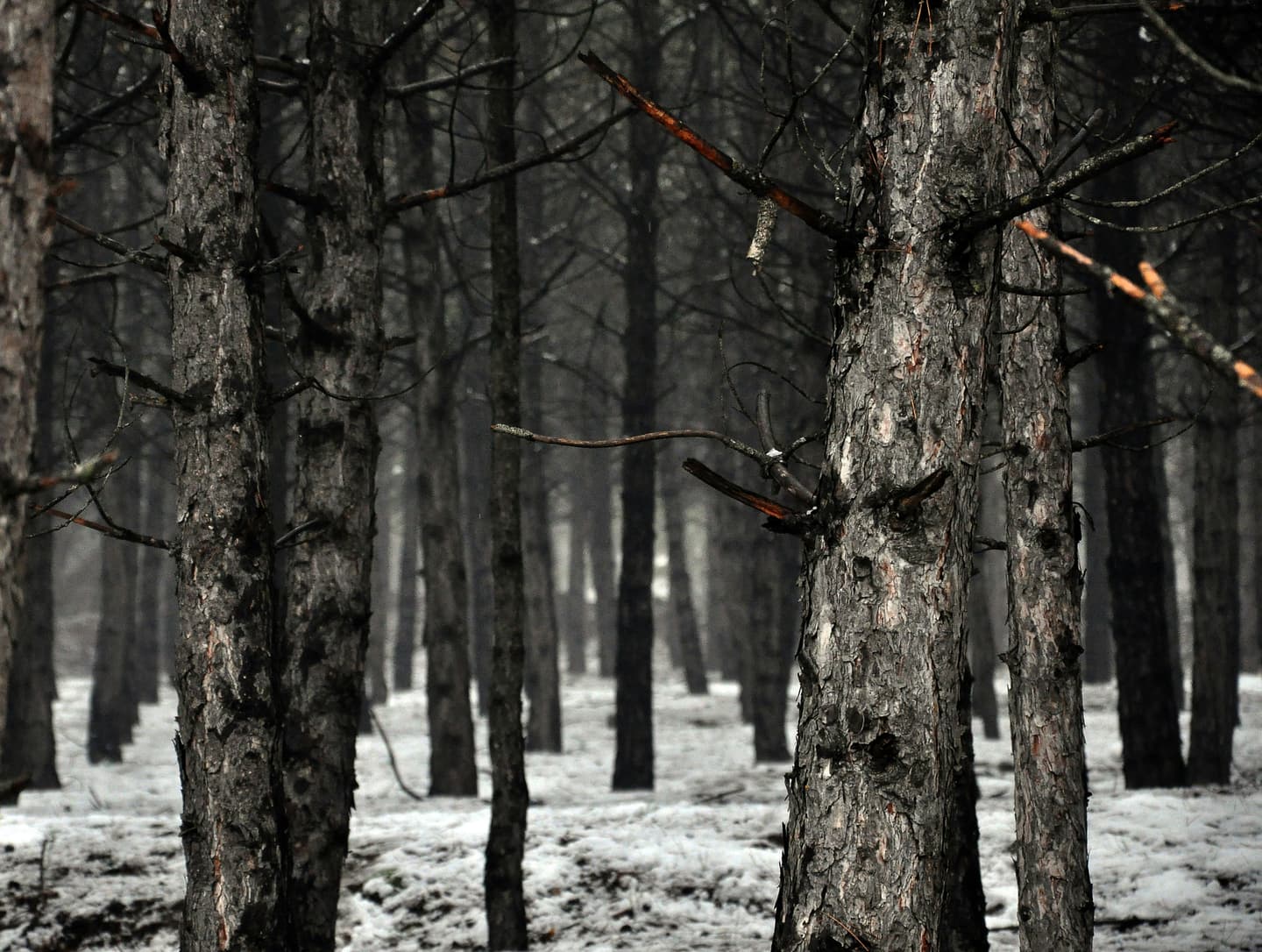
AnkaraTurkey
★
Ankara Esenboğa International Airport (ESB)NEAREST AIRPORT
Population
4,725,228
Total residents
Global rank
#621
Wanderlust index
Best time
Spring (April–June) and autumn…
Peak window
Time zone
Europe/Istanbul
Local time
Currency
Turkish Lira (₺)
Money in use
Language
Turkish
Spoken locally
01 · Overview
About Ankara
Turkey's underrated capital where millennia of history meet a vibrant, authentic modern city.
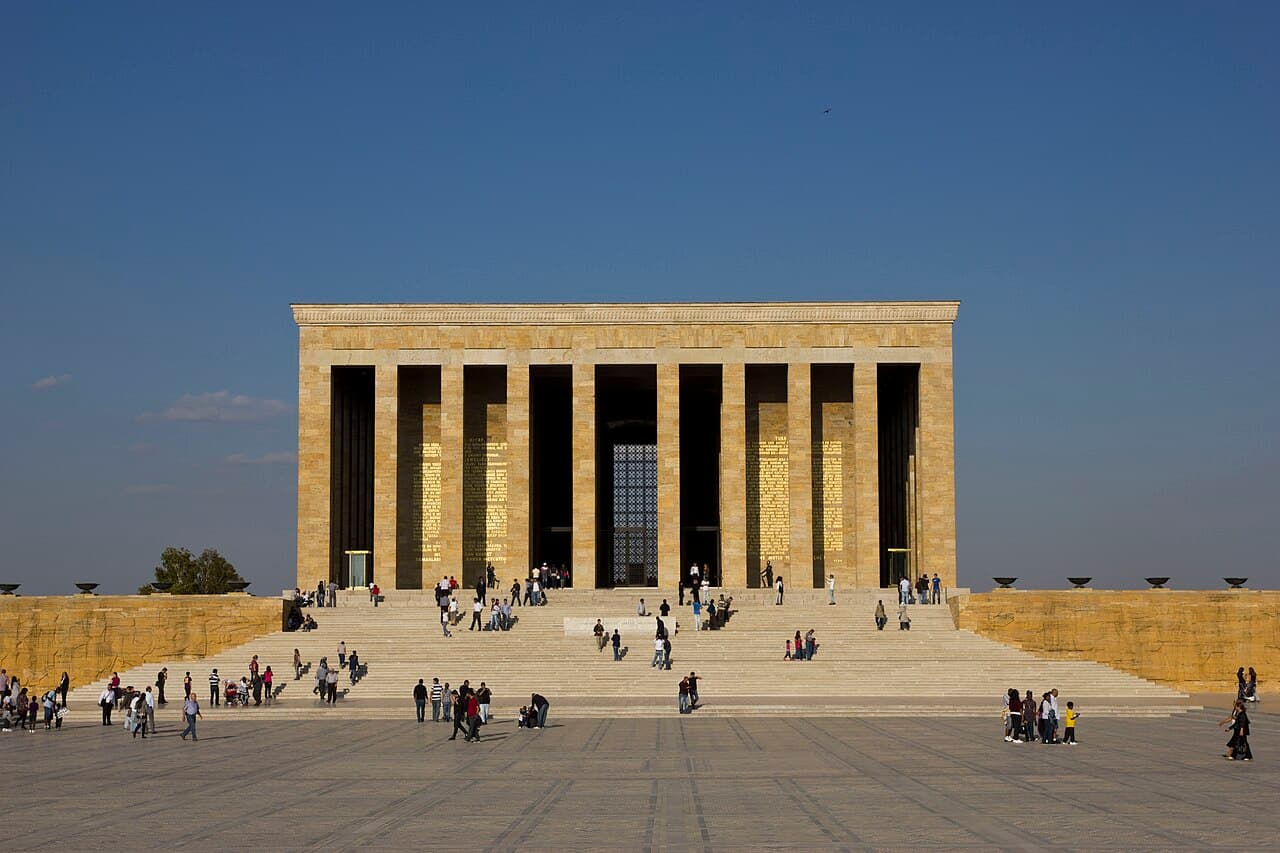
Ankara, Turkey's political capital and second-largest city, sits on the high Anatolian plateau and serves as the country's administrative, cultural, and academic heart. Far less touristy than Istanbul, it rewards curious travelers with world-class museums—including the Museum of Anatolian Civilizations—monumental landmarks like Anıtkabir, and charming Ottoman neighborhoods such as Hamamönü. The city offers a genuinely local experience, a lively arts and dining scene, and easy access to Cappadocia and other Anatolian destinations.
02 · Wanderlust scorecard
How Ankara scores
Ratings run 0 to 5 unless marked. They come from our AI-assisted research and are refreshed on a rolling basis.
4.5
/ 5
Cost of living
Affordability, 0–5. Higher means cheaper.
3.5
/ 5
Leisure
Leisure rating, 0–5.
11
Mbps
Connectivity
Median internet speed.
4
/ 5
Safety
Safety rating, 0–5. Higher is safer.
3.5
/ 5
Overall livability
Overall rating, 0–5.
2.5
/ 5
Air quality
Air-quality rating, 0–5. Higher is cleaner.
6.8
index
Index score
Wanderlust ranking, 0–10: overall, safety, internet, cost, leisure and air quality, weighted.
03 · Weather & when to go
Best time to visit Ankara
Current weather and the forecast, and the months our research rates best for a visit.
Month by month
Best months Either side Other months
Jan
Feb
Mar
Apr
May
Jun
Jul
Aug
Sep
Oct
Nov
Dec
Sweet spot: Spring (April–June) and autumn (September–October) offer the most comfortable temperatures for sightseeing, with mild weather, blooming parks, and cultural festivals. Summers are hot and dry (30–35°C) but cheaper; winters can bring snow to the castle and old quarters..
More cities for these months: Where to go in April · Where to go in May · Where to go in June · Where to go in September · Where to go in October
04 · Things to do
Things to do in Ankara
Top sights from our AI-assisted research, and other places we have photos of.
Top sight
Top sight
Museum of Anatolian Civilizations
Top sight
Top sight
Ankara Castle (Kaleiçi)
Top sight
Top sight
Kocatepe Mosque
Top sight
Top sight
Temple of Augustus & Hacı Bayram Mosque
Top sight
Top sight
Hamamönü Ottoman Quarter
Top sight
Top sight
Atakule Tower
Top sight
Top sight
Rahmi M. Koç Museum
05 · Monthly cost of living
Cost of living in Ankara
Estimated monthly totals in USD from our AI-assisted research, one per profile. Treat them as a starting point for a budget, not a quote.
$900
estimated monthly spend · USDProfileExpat
Price references — vs. profile benchmarks
Nomadmonthly spend · USD
$1,635
+82%
Expatmonthly spend · USD
$900
baseline
Familymonthly spend · USD
$1,575.3
+75%
Localmonthly spend · USD
$337.1
-63%
Median fiber speeddownload · Mbps
11
Mbps
06 · Neighborhoods
Where to stay in Ankara
Neighborhoods our AI-assisted research lists as popular with visitors.
Kızılay
Çankaya
Ulus
Hamamönü
07 · Insider tips
Sights and neighbourhoods, with a tip each.
Practical tips on places from this Ankara guide, written with AI. One is free; Pro members see the rest. Double-check details before you go.
Insider tips · Wanderlust Pro
Practical tips on the sights and neighbourhoods in this Ankaraguide — when to go, what most visitors miss. Written with AI about the guide's own places; double-check details before you go. Pro members see every tip.
08 · Practical notes
Practical information for Ankara
The essentials from this guide's data, in one place.
01
Getting there
- Nearest airport — Ankara Esenboğa International Airport (ESB)
02
Money
- Currency — Turkish Lira (₺)
- Affordability — 4.5/5 on the Wanderlust index (higher is cheaper)
03
Internet
- Median speed — 11 Mbps
- Internet score — 1.7/5
04
Safety
- Safety score — 4/5 from our AI-assisted research
05
Language
- Primary language — Turkish
06
Timing
- Best window — Spring (April–June) and autumn (September–October) offer the most comfortable temperatures for sightseeing, with mild weather, blooming parks, and cultural festivals. Summers are hot and dry (30–35°C) but cheaper; winters can bring snow to the castle and old quarters.
- Time zone — Europe/Istanbul
Questions
Frequently asked, plainly answered.
The quick answers travelers want before they commit to flights, neighborhoods, and how long to stay.
Is Ankara safe for travelers?+
Ankara has a safety rating of 4 out of 5.
What is the best time to visit Ankara?+
The best time to visit Ankara is Spring (April–June) and autumn (September–October) offer the most comfortable temperatures for sightseeing, with mild weather, blooming parks, and cultural festivals. Summers are hot and dry (30–35°C) but cheaper; winters can bring snow to the castle and old quarters..
How expensive is Ankara?+
Ankara has an affordability score of 4.5 out of 5, where 5 is most affordable.
What is the internet speed in Ankara?+
Ankara has an average internet speed of 11 Mbps.
What currency does Ankara use?+
The currency used in Ankara is Turkish Lira (₺).
What language is spoken in Ankara?+
The primary language spoken in Ankara is Turkish.
Researched city guide
Getting there, getting around and when to go
Written with AI-assisted web research. Where we have sources, they are listed under each part.
What works
- Exceptional value for money — one of Turkey's most affordable cities for travelers and expats
- World-class museums with few crowds (Museum of Anatolian Civilizations, Anıtkabir, Rahmi M. Koç Museum)
- Authentic local experience with far less tourist hustle than Istanbul
- Well-developed public transit (metro, Ankaray, buses) covering most key sights
- Excellent base for day trips to Cappadocia, Hattusa, and other Anatolian heritage sites
- Vibrant food, arts, and nightlife scene anchored in Kızılay and Çankaya
What to weigh
- Air quality can be poor in winter months due to heating and urban traffic
- Relatively limited English signage and service staff outside tourist zones
- Continental climate means very hot summers (35°C+) and cold, snowy winters
- Less visually dramatic than Istanbul or coastal Turkey — undersells itself to first-time visitors
- Foreign bank cards unreliable on city buses; Başkent Kart or local cash essential
- Nightlife and entertainment options, while improving, remain more limited than Istanbul
Getting in
How to arrive
Ankara Esenboğa International Airport (ESB) is located approximately 28–30 km northeast of the city centre, with a drive of 25–35 minutes in normal traffic. The most affordable option is EGO public bus line 442 (also known as AnkaraAir/Belko Air), which runs every 30 minutes from around 06:00 to 22:15, stopping at Ulus (historic centre & train station), Kızılay (downtown), and AŞTİ (intercity bus terminal); the fare is approximately 100–200 TRY and can be paid by contactless card or Başkent Kart. The Havaş shuttle bus is a faster, more comfortable alternative (~45–55 minutes) operating roughly every 30 minutes from 02:15 to 23:45, with tickets (~200 TRY) purchased on board. Taxis from the airport to the city centre cost 750–1,000 TRY depending on traffic; Uber and Bolt route through official metered taxis. High-speed rail from Istanbul (YHT) terminates at Ankara Gar station, from which the metro connects to Kızılay and beyond.
Getting around
Moving through the city
Ankara has a well-integrated public transit network of metro (M lines), Ankaray light rail (A1), and EGO city buses. To use buses and metro, purchase a Başkent Kart travel card from kiosks or metro stations, or use the EGO Cep'te mobile app for QR-code payment — note that foreign contactless cards do not reliably work on Ankara buses. Each trip allows a free transfer between bus and metro within 45 minutes. Dolmuş (shared minibuses) depart from Kızılay and Ulus hubs and are useful for shorter cross-town trips. Standard taxis are metered; Uber and Bolt also operate in the city. A monthly public transit pass costs roughly 25–35 euros (approx. 900–1,200 TRY), making it one of the most cost-effective ways to get around.
Sources
When to go
Timing your trip
Spring (April–June) is widely considered the best season for visiting Ankara. Temperatures sit comfortably between 15–25°C, city parks burst into bloom, and the Ankara International Music Festival in April fills the capital with classical and world music. Autumn (September–November) is an equally rewarding window: the air is crisp and fresh, and the city's parks glow with golden and red foliage — perfect for photography around the castle and Hamamönü quarter. Summer (July–August) brings intense heat, often reaching 30–35°C, but accommodation and flights tend to be cheaper, making it a viable budget option if you plan outdoor sightseeing for early mornings. Winter (December–February) can drop below 0°C and see snowfall, which lends a dramatic, atmospheric quality to the citadel and old Ottoman quarters — a memorable experience for those who don't mind the cold.
Plan your trip
3 days in Ankara: a sample itinerary
A ready-made starting point. Make it your own — clone it into an editable journey and reshape every stop.
Day 01
Day 1: Ancient Ankara & the Citadel
Morning
Start at Ankara Castle (Kaleiçi) — explore cobblestone alleys, Ottoman-era houses, and sweeping city views from the hilltop ramparts. Visit the adjacent Museum of Anatolian Civilizations, housed in a restored 15th-century Ottoman caravanserai, for a breathtaking chronological journey from the Palaeolithic to the Ottoman era.
Afternoon
Walk downhill to the Temple of Augustus and adjacent Hacı Bayram Mosque in Ulus — the Roman inscription of Emperor Augustus's deeds (Monumentum Ancyranum) is embedded in the mosque walls. Explore the revitalized square with its walking paths and tea gardens.
Evening
Head to Hamamönü for dinner. This beautifully restored Ottoman quarter fills with artisans and musicians on weekends. Try local dishes like Ankara tava (lamb with tomatoes and spices) at a courtyard restaurant, and sip traditional Turkish tea in one of the lantern-lit cafes.
Day 02
Day 2: Republican Ankara & Grand Monuments
Morning
Devote a full morning to Anıtkabir, the grand mausoleum of Mustafa Kemal Atatürk set atop Anıttepe Hill. Walk the 260-metre Lion's Road, witness the changing of the guards, and explore the museum of Atatürk's personal items and photographs.
Afternoon
Visit the imposing Kocatepe Mosque — completed in 1987, it echoes grand Ottoman mosque design with four 88-metre minarets, gold-covered dome, and capacity for 24,000 worshippers. Then browse Tunalı Hilmi Caddesi in Çankaya for boutique shops, spas, and cafes.
Evening
Enjoy Ankara's cosmopolitan side in Kızılay — the city's trendiest district packed with bars, restaurants, and lively street life. Catch a performance at the State Opera and Ballet if the schedule aligns.
Day 03
Day 3: Industry, Nature & Hidden Gems
Morning
Visit the Rahmi M. Koç Museum, housed in Ottoman-era Çengelhan and Safranhan structures, for a fascinating look at Turkey's industrial, transport, and communications history — often overlooked but unmissable.
Afternoon
Head south to Lake Eymir for a relaxing break: managed by METU, the lake is ringed by pine forests with bike trails and picnic areas. Alternatively, visit the Altınköy Open-Air Museum (20 minutes from the centre) to explore recreated Anatolian village life across 100 acres of stone homes, windmills, and waterwheels.
Evening
Return to the city for a farewell meal. Try a kokorec (offal) kebab for an adventurous local bite, or opt for a seafood dinner at Trilye in Çankaya. End the night with a drink at one of Kızılay's rooftop bars while taking in the Ankara skyline.
Work-ready layer
Coworking spots and laptop-friendly anchors.
Real coworking spaces, laptop-friendly cafés, and libraries mapped near the center of the city — the closest, best-rated desks first.
Spots surfaced0
Categories—
Mapped0
No coworking-ready spots surfaced for this city yet.
Map pending
No mapped workspace points yet.
Pick a different category or check back once we’ve indexed more desks for this city.
Concierge
Ask the Ankara concierge.
Share your travel style, must-see spots, or work schedule and the concierge will help turn this guide into something personal.
Personal trip brief
Tell it what kind of trip you're trying to have, and it will tighten the plan.
01
Travel style
Ask for cafés, quiet neighborhoods, date-night spots, or a first 48-hour plan.
02
Work constraints
Mention calls, Wi-Fi needs, or how much of the day has to stay laptop-friendly.
03
Real tradeoffs
Get faster answers on where to stay, when to move neighborhoods, and what to skip.
Traveler reviews
Reviews of Ankara
Written by signed-in Wanderlust members. We don't check that a reviewer has visited.
No reviews of Ankara yet.
Plan a trip to Ankara.
Tell the planner your dates, who's coming, your budget and pace, and it drafts a day-by-day itinerary you can edit.
Wanderlust Pro
Insider tips for Ankara, unlimited AI-built itineraries, and travel companions you can invite to plan a trip together. From $5.00/month, billed annually.